Why this matters now.
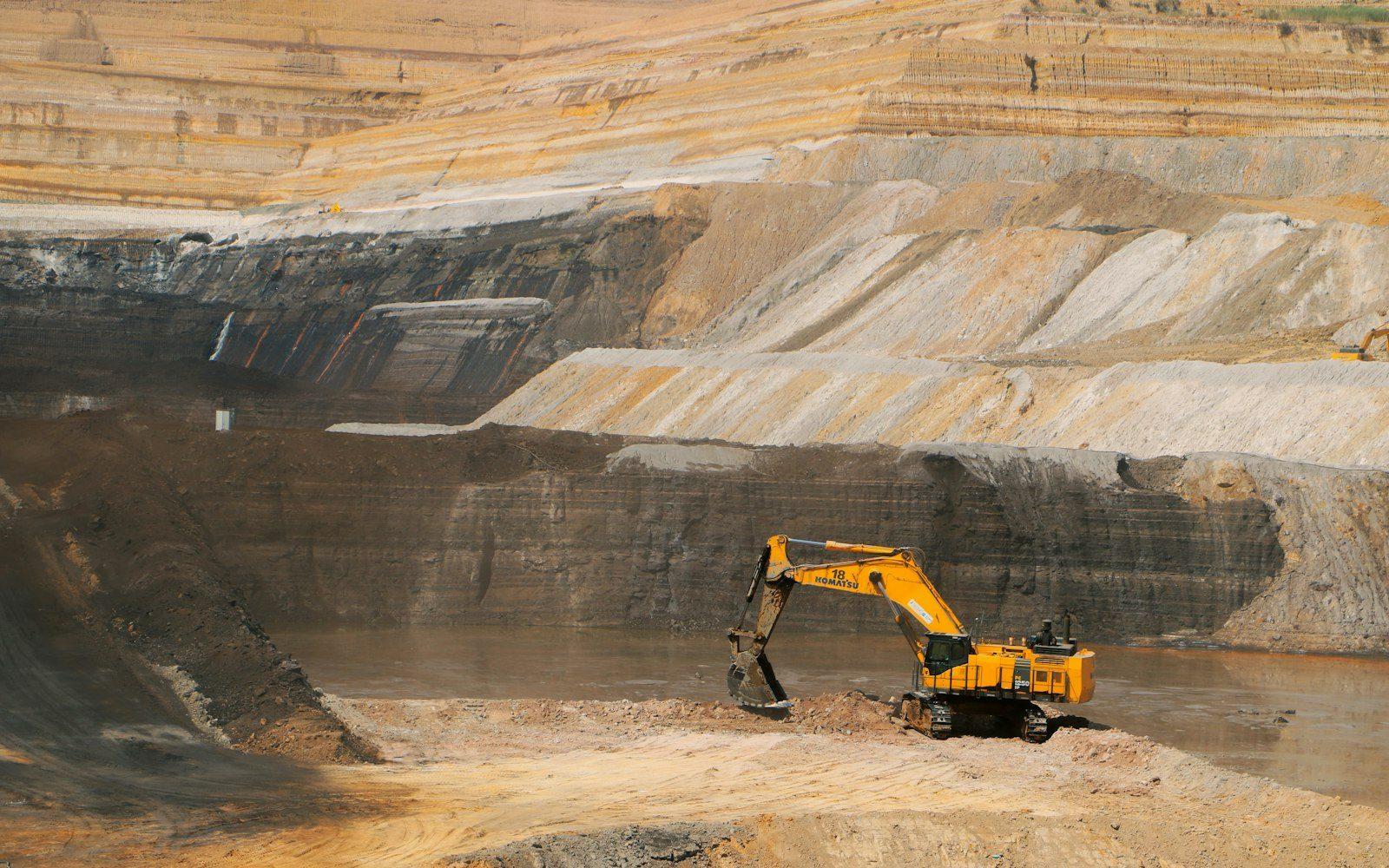
Africa's commodity sector is benefiting from a structural alignment of price strength, policy tailwinds, and global supply realignment. A joint UN-ECA, African Development Bank, and African Union Commission report published in January 2026 found that critical minerals — classified under non-iron metals — are projected to grow African exports by 35.9% to 41.3% this year, insulated by US tariff exemptions that do not apply to strategic mineral commodities. Zambia sits at the centre of this shift. The country produced a record 890,346 tonnes of copper in 2025 and is targeting 3 million tonnes by 2031. The DRC-Zambia Battery and Electric Vehicle value chain — backed by the AfCFTA framework — is establishing a Transboundary Special Economic Zone in the Copperbelt to process minerals into battery precursors domestically. That exemption window is not permanent — but the infrastructure being built around it is.
Supply chain realignment
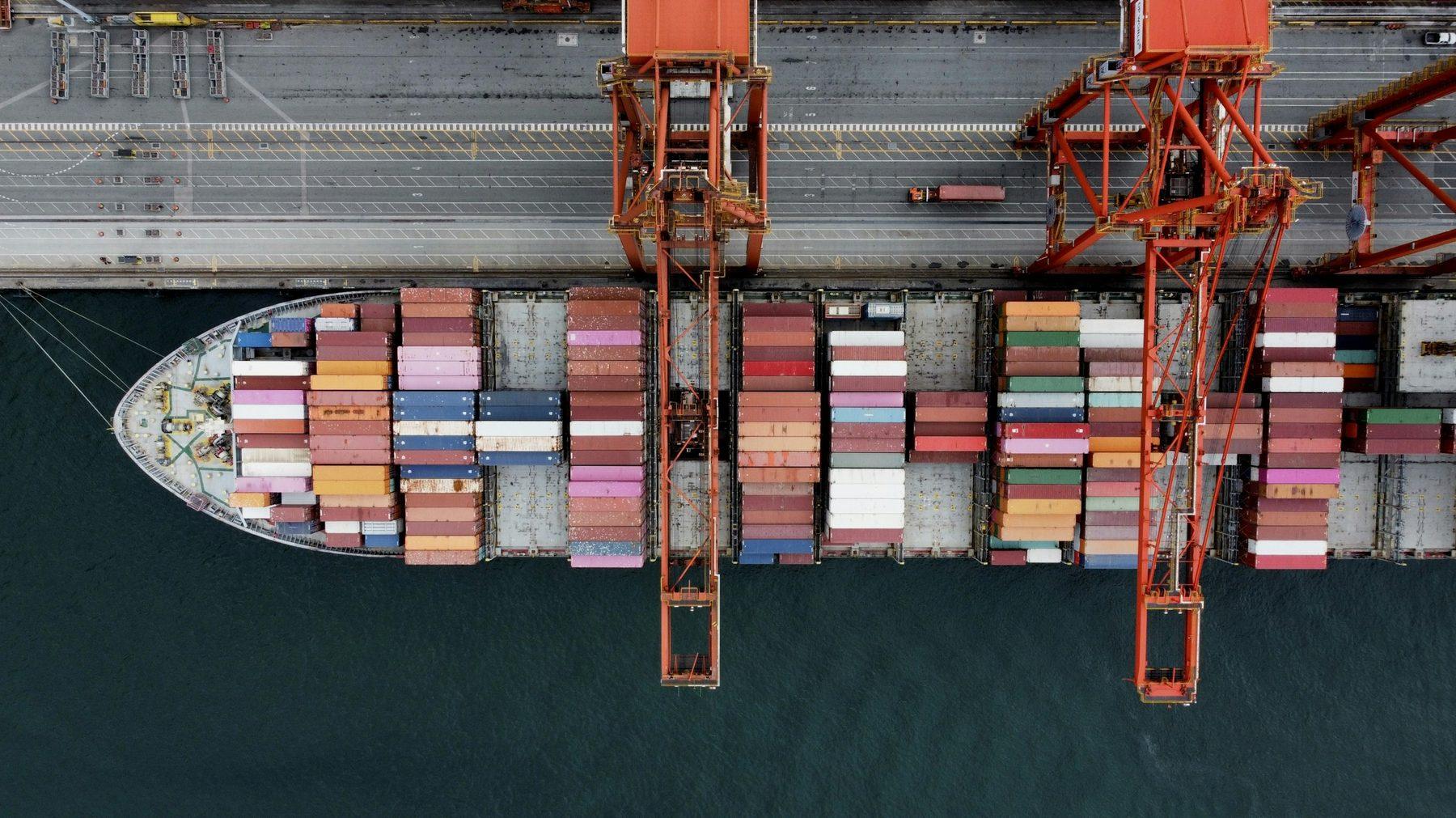
Global commodity buyers are under pressure to diversify origin sources. European industrial consumers are accelerating away from Russian-linked supply chains. US buyers are navigating tariff arbitrage across manufacturing inputs. In both cases, traceable, documentation-first African mineral supply — with verifiable chain of custody — is gaining commercial credibility that it lacked five years ago.
Zambia's government has moved with conviction. President Hichilema announced $12 billion in mining investment attracted over four years at the 2026 Mining Indaba, targeting 3 million tonnes of copper output by 2031. The DRC-Zambia Battery and Electric Vehicle value chain — developed under the AfCFTA framework — is creating a Transboundary Special Economic Zone in the Copperbelt, designed to host the continent's first precursor plants for lithium-ion batteries. The Lobito Corridor upgrade and a $1.4 billion Chinese commitment to the Tan-Zam railway are building the export infrastructure to support it. For operators like Mawadco Africa with an active Lusaka desk, these signals translate into a more stable operating environment and broader access to international capital conversations.
Energy transition as demand driver
Copper, gold, and PGMs sit at the intersection of two converging demand curves: the physical build-out of AI infrastructure and the electrification of transport and energy systems. AI data centres require copper-intensive cooling, power distribution, and server interconnects. EV platforms require copper windings, battery interconnects, and charging infrastructure at scale. The World Bank's April 2026 Commodity Markets Outlook flags this dual demand driver as the primary price support mechanism for base and precious metals through at least 2027.
For African operators positioned across copper, gold, and PGMs, the combination of price strength, regional policy support, and traceable-origin buyer demand represents a multi-cycle commercial opportunity. Executing against it requires documentation discipline, verified counterparties, and the logistics infrastructure to deliver reliably — not just the mineral asset itself.
Mawadco Africa publishes operational and market updates as programs develop. Media and partner enquiries: info@mawadco-africa.com or africa@mawadco.com